Contents:
- Brief Intro
- Preparation
- Step 1: Choose Your Machine Type and Supplier
- Step 2: Secure Prime Locations
- Step 3: Negotiate Placement Agreements
- Step 4: Stock and Price Strategically
- Step 5: Establish a Restocking Route
- A Regional Difference
- What the Pros Know
- A Comparison: Vending Machines vs Micro Markets
- Pro Tips
- FAQ
- How much profit can a single vending machine generate monthly?
- Do I need a special license to operate vending machines?
- How many machines can one person realistically manage part-time?
You’re standing in a break room watching a coworker feed dollar bills into a vending machine that clearly needs restocking, and it’s genuinely worth wondering what that machine’s owner actually earns from it.
Brief Intro
A vending machine business generates passive-leaning income once locations and machines are secured, though the initial legwork of finding good sites and negotiating placement agreements takes real effort.
Preparation
Research machine types and pricing, identify target location categories like offices and gyms, and secure initial capital before signing your first placement agreement.
Step 1: Choose Your Machine Type and Supplier
A basic snack or beverage machine costs $2,000-$5,000 new, while modern touchscreen combo machines with card readers can run $5,000-$10,000 per unit.
Step 2: Secure Prime Locations
Offices, gyms, schools, and apartment complexes with high foot traffic and limited nearby food options typically generate the strongest sales volume for a new machine.
Step 3: Negotiate Placement Agreements
Most location owners expect either a flat monthly fee or a small commission percentage of sales, typically 5-10%, in exchange for hosting your machine.
Step 4: Stock and Price Strategically
Pricing 100-150% above your wholesale product cost while monitoring which items sell fastest helps optimize both restocking efficiency and overall profit margin.
Step 5: Establish a Restocking Route
Grouping machines geographically into an efficient restocking route saves significant time and fuel cost as your machine count grows beyond just one or two locations.
A Regional Difference
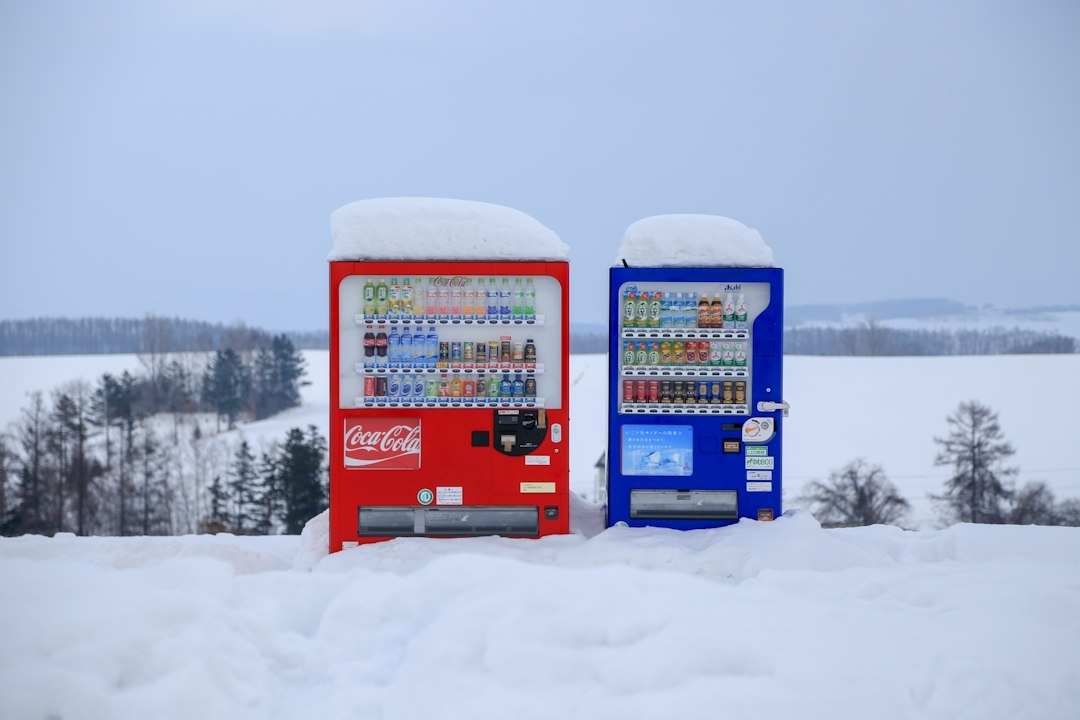
Northeast urban locations often support premium healthy-snack machines at higher price points, while Southern and Western suburban locations frequently favor traditional snack and soda selections at more standard pricing.
What the Pros Know
Experienced vending operators recommend starting with two or three machines in verified high-traffic locations rather than spreading thin across many mediocre sites right away.
A Comparison: Vending Machines vs Micro Markets
Vending machines require lower upfront investment and simpler maintenance, while micro markets, essentially unstaffed mini convenience stores, offer higher revenue potential but demand considerably more inventory management and upfront cost.
Pro Tips
Install a machine with card and mobile payment capability from the start, since cash-only machines increasingly lose sales to customers who simply don’t carry cash anymore.
FAQ
How much profit can a single vending machine generate monthly?
A well-placed machine typically nets $200-$500 monthly profit after restocking costs, though prime high-traffic locations can significantly exceed that range.
Do I need a special license to operate vending machines?
Most states require standard business registration plus a vending machine license or permit, and food-item machines may need additional health department approval.
How many machines can one person realistically manage part-time?
Most part-time operators comfortably manage five to ten machines before restocking demands require either hiring help or transitioning to full-time operation.