Contents:
- Short Answer
- Context of the Question
- Detailed Explanation
- A Comparison: Chapter 7 vs Chapter 11
- Examples
- What Happens to Employees and Creditors
- Alternatives to Bankruptcy
- A Personal Example
- Conclusion
- FAQ
- Does filing bankruptcy always mean the business closes?
- How long does a business bankruptcy typically take?
- Will bankruptcy affect the owner’s personal credit?
- Can a business file bankruptcy more than once?
A once-thriving shop can’t cover payroll two months running, and the owner is quietly researching options late at night without telling the staff yet.
Short Answer
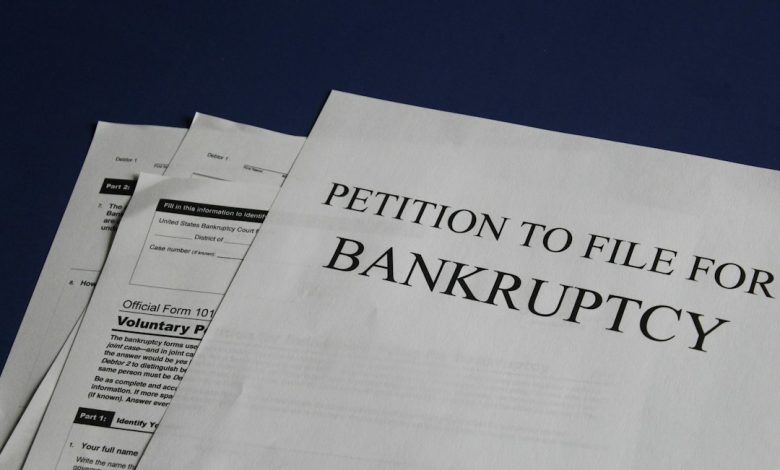
Business bankruptcy is a legal process that either reorganizes debt to keep a business operating or liquidates its assets to repay creditors, depending on which type of bankruptcy is filed.
Context of the Question
Bankruptcy isn’t automatically the end of a business; some filings are specifically designed to give a struggling company breathing room to restructure and continue operating.
Detailed Explanation
Chapter 7 bankruptcy liquidates business assets to pay creditors, typically ending the business entirely. Chapter 11 bankruptcy allows a business to continue operating while reorganizing its debts under court supervision, often the preferred route for a company with a viable underlying operation but a temporary debt crisis. Chapter 13, generally reserved for sole proprietors, restructures personal and business debt together under a repayment plan.
A Comparison: Chapter 7 vs Chapter 11
Chapter 7 shuts the business down and sells its assets to satisfy creditors as much as possible, while Chapter 11 keeps the business running under a court-approved reorganization plan, giving it a genuine chance to recover.
Examples
A regional restaurant chain filed Chapter 11 during a difficult period, closing its weakest locations while restructuring debt on its stronger ones, eventually emerging as a smaller but financially stable company.
What Happens to Employees and Creditors
In Chapter 7, employees typically lose their jobs and creditors are paid according to a legal priority order, often receiving only a fraction of what’s owed. In Chapter 11, employees may keep their jobs if the reorganized business survives, while creditors negotiate new repayment terms.
Alternatives to Bankruptcy
Negotiating directly with creditors, seeking new financing, or pursuing an informal debt restructuring sometimes resolves a cash crisis without the cost and public record of a formal bankruptcy filing.
A Personal Example
A small retailer avoided formal bankruptcy by negotiating extended payment terms directly with its three largest suppliers, buying enough time to recover from a genuinely difficult seasonal slump.
Conclusion
Understanding which type of bankruptcy actually fits a business’s situation, and exploring alternatives first, helps an owner make a genuinely informed decision rather than a purely panicked one.
FAQ
Does filing bankruptcy always mean the business closes?
No, Chapter 11 specifically allows many businesses to continue operating while restructuring their debt under court supervision.
How long does a business bankruptcy typically take?
Chapter 7 liquidations often resolve within several months, while Chapter 11 reorganizations can take a year or considerably longer depending on complexity.
Will bankruptcy affect the owner’s personal credit?
If the business is a sole proprietorship or the owner personally guaranteed business debts, yes, personal credit is typically affected as well.
Can a business file bankruptcy more than once?
Yes, though repeat filings face closer court scrutiny, and certain waiting periods apply between filings depending on the bankruptcy chapter involved.