Contents:
- Brief Intro
- Preparation
- Step 1: Choose Your Delivery Model
- Step 2: Handle Licensing and Insurance
- Step 3: Build a Simple Ordering System
- Step 4: Recruit and Onboard Drivers
- Step 5: Partner With Local Restaurants
- A Comparison: Independent Delivery Service vs Joining a Major Platform
- A Personal Example
- Pro Tips
- FAQ
- How much capital do I need to start a food delivery business?
- Do I need my own restaurant to start a delivery business?
- How do delivery businesses typically make money?
- How do I keep delivery drivers reliable during busy periods?
Restaurants nearby are quietly turning down delivery orders during the dinner rush because they simply can’t keep up with demand using their own limited staff.
Brief Intro
Starting a food delivery business means choosing between building a driver network for local restaurants, launching your own meal preparation and delivery service, or specializing in a specific niche like grocery or catering delivery.
Preparation
Decide on your specific delivery model, secure basic business licensing and vehicle insurance, and identify an initial group of restaurant or client partners before launching.
Step 1: Choose Your Delivery Model
A third-party logistics model partners with existing restaurants that don’t offer their own delivery, while a full-service model, like a ghost kitchen with delivery, controls the entire food preparation and delivery process directly.
Step 2: Handle Licensing and Insurance
Basic business registration plus commercial auto insurance for delivery drivers protects the business from liability in the event of an accident during a delivery run.
Step 3: Build a Simple Ordering System
A straightforward app or website for placing orders, even a basic one initially, gives customers a reliable way to order without relying entirely on phone calls.
Step 4: Recruit and Onboard Drivers
Whether hiring employees or contracting independent drivers, clear expectations around delivery times, vehicle requirements, and customer service standards keep service quality consistent.
Step 5: Partner With Local Restaurants
Approaching smaller, independent restaurants that lack their own delivery infrastructure often creates faster partnerships than competing directly with major delivery platforms for large chains.
A Comparison: Independent Delivery Service vs Joining a Major Platform
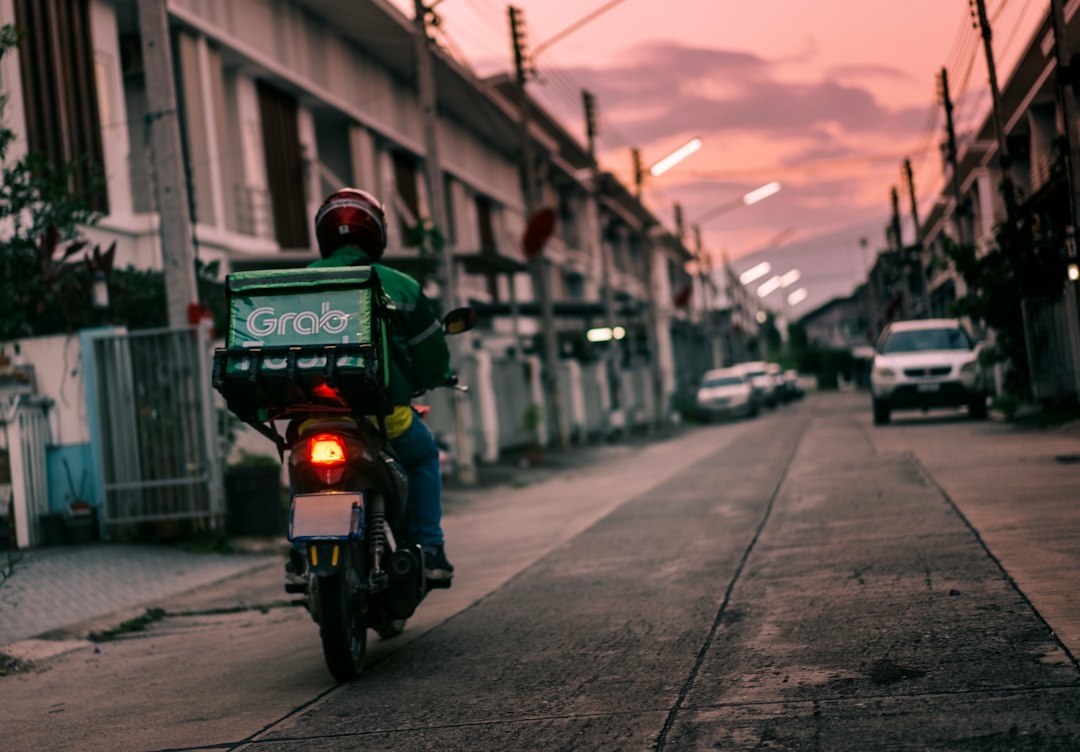
Joining an established platform like a major delivery app offers instant customer reach but takes a significant commission, while building an independent local service keeps more revenue but requires building customer awareness from scratch.
A Personal Example
A local entrepreneur started a delivery service focused exclusively on three independent restaurants underserved by major platforms, growing to a dozen partner restaurants within a year through consistent, reliable service.
Pro Tips
Focusing on a specific geographic area or restaurant niche first, rather than trying to cover an entire city immediately, builds reliability and reputation faster than overextending too early.
FAQ
How much capital do I need to start a food delivery business?
A lean local delivery service can start with $5,000-$15,000, covering basic technology, insurance, and initial driver recruitment costs.
Do I need my own restaurant to start a delivery business?
No, many successful delivery businesses simply partner with existing restaurants rather than preparing food themselves.
How do delivery businesses typically make money?
Most charge restaurants a commission per order, customers a delivery fee, or both, depending on the specific business model chosen.
How do I keep delivery drivers reliable during busy periods?
Offering peak-hour pay bonuses and clear scheduling in advance keeps drivers motivated and reduces last-minute cancellations during your busiest delivery windows.