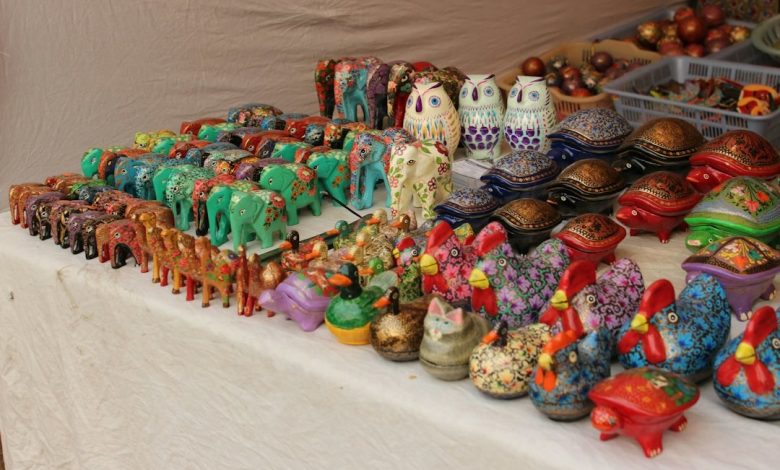
Contents:
- Quick Answer
- Overview of the End Result
- What You’ll Need
- Numbered Steps
- Register Your Business and Get a Sales Tax Permit
- Set Up Your Online Shop
- Photograph Your Products Professionally
- Apply to Local Craft Markets
- Build a Simple Social Media Presence
- Common Mistakes to Avoid
- A Sustainability Angle
- What the Pros Know
- FAQ
- How much does a typical craft market booth cost?
- Should I focus on Etsy or my own website first?
- How much handmade inventory should I have before my first market?
- Next Steps
You’ve got a closet genuinely overflowing with finished handmade pieces, and friends keep asking if you actually sell them, which is usually the first real sign a craft hobby is ready to become a business.
Quick Answer
Starting a craft business means registering your business, setting up an online shop through Etsy or your own website, and securing spots at local markets to build both sales and brand visibility.
Overview of the End Result
A functioning craft business sells consistently through a combination of an online storefront and in-person markets, balancing passive online sales with the direct customer connection markets provide.
What You’ll Need
A basic business registration, product photography setup, and initial inventory of your best-selling pieces before committing to your first market or online launch.
Numbered Steps
1. Register Your Business and Get a Sales Tax Permit
Most states require a sales tax permit before you can legally collect tax at markets or through your online shop, so secure this before your first sale.
2. Set Up Your Online Shop
Etsy offers the fastest path to market with built-in traffic, while a dedicated website through Shopify offers more branding control once you’ve established initial demand.
3. Photograph Your Products Professionally
Clean, well-lit photos against a simple background significantly outperform casual phone photos in actually converting online browsers into paying customers.
4. Apply to Local Craft Markets
Researching and applying to established local markets with genuine foot traffic history builds both sales and valuable in-person customer feedback on your pricing and products.
5. Build a Simple Social Media Presence
Regularly posting your creation process and finished pieces builds an engaged following that supports both online sales and market attendance over time.
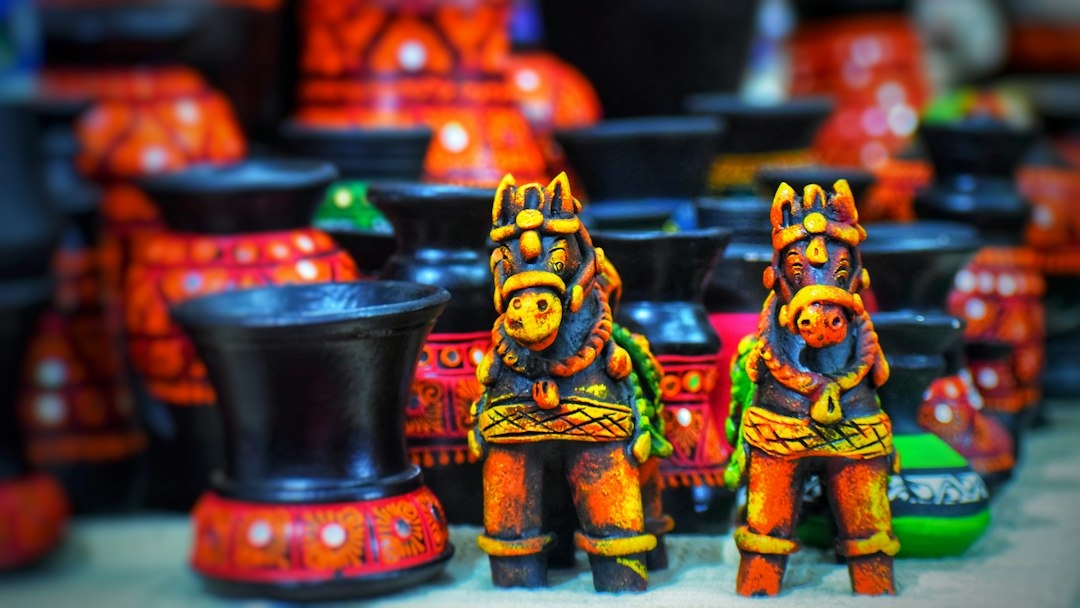
Common Mistakes to Avoid
New sellers frequently underprice handmade items, failing to account for materials, time, and market booth fees when setting prices. Others try selling everywhere at once, spreading limited inventory too thin across too many markets and platforms simultaneously.
A Sustainability Angle
Sourcing recycled or locally produced materials appeals directly to the environmentally conscious buyers who frequently make up a craft market’s core, loyal customer base.
What the Pros Know
Experienced craft sellers recommend tracking exactly which items sell fastest at each specific market, since regional taste can vary significantly even between nearby towns.
FAQ
How much does a typical craft market booth cost?
Booth fees typically range $25-$150 per market day, depending on the market’s size, location, and overall foot traffic reputation.
Should I focus on Etsy or my own website first?
Starting on Etsy leverages existing built-in search traffic, making it typically the faster path to initial sales before investing in a standalone website.
How much handmade inventory should I have before my first market?
Most sellers aim for at least 30-50 finished pieces across varied price points to fill a booth attractively and avoid selling out too early in the day.
Next Steps
Register your business and apply to your first local market this month, since real customer feedback from actual sales teaches more than any amount of planning alone.