
Contents:
- Brief Answer
- Why (How It Actually Works)
- The Typical Funding Stages
- Seed Funding
- Series A, B, and Beyond
- An Expert Quote
- A Comparison: Venture Capital vs Bootstrapping
- Common Mistakes to Avoid
- A Cost Breakdown
- A Personal Example
- When It Applies and When It Doesn’t
- FAQ
- How much equity do founders typically give up in venture funding?
- Do all startups need venture capital to succeed?
- What do venture capitalists look for in a startup?
- How long does it typically take to close a venture round?
A startup founder keeps hearing that venture capital funding could change everything, but has no genuinely clear idea what giving up equity actually means in practice.
Brief Answer
Venture capital is funding provided by investment firms or individual investors to early-stage, high-growth-potential companies in exchange for equity ownership rather than repayment like a loan.
Why (How It Actually Works)
Venture capital firms raise money from wealthy individuals, pension funds, and institutions, then invest that pooled money into a portfolio of promising startups, expecting most to fail but a few to generate outsized returns that cover the losses and then some.
The Typical Funding Stages
Seed Funding
Early capital, often used to build an initial product and validate the core business concept before significant revenue exists.
Series A, B, and Beyond
Later funding rounds provide larger amounts as the company demonstrates growth, typically used to scale operations, hiring, and market expansion.
An Expert Quote
“Venture capital isn’t free money, it’s a partnership with very specific expectations around growth speed,” notes startup advisor Priya Ramaswamy. “Founders need to understand what they’re actually signing up for.”
A Comparison: Venture Capital vs Bootstrapping
Venture capital provides substantial funding and often valuable mentorship and connections, but requires giving up equity and typically accepting pressure for rapid growth, while bootstrapping retains full ownership and control at the cost of slower, self-funded growth.
Common Mistakes to Avoid
Pursuing venture capital before genuinely validating the business model often leads founders to raise money for a product nobody actually wants yet, wasting both time and equity.
A Cost Breakdown
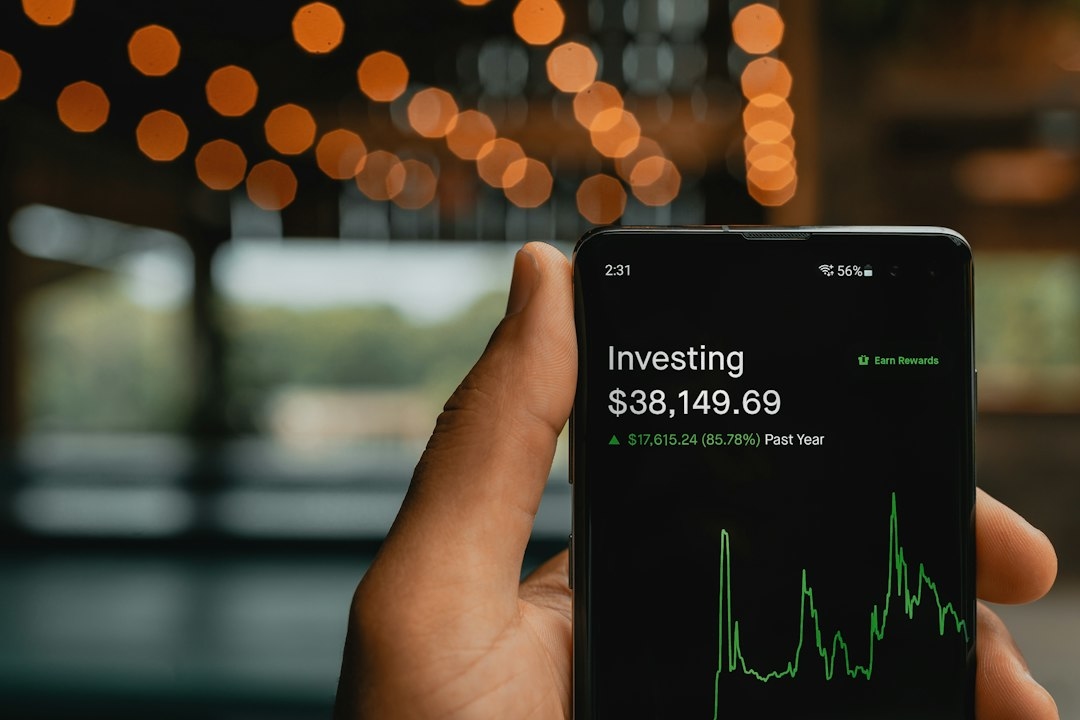
Beyond equity, founders should account for legal fees, due diligence costs, and ongoing investor reporting requirements that come with accepting venture funding.
A Personal Example
A software founder raised a modest seed round after months of pitching, learning that investor introductions from her existing network moved faster than cold outreach ever did.
When It Applies and When It Doesn’t
Venture capital suits businesses with a genuinely scalable model and large market potential, while a steady, moderate-growth local business is usually far better served by traditional financing or bootstrapping instead.
FAQ
How much equity do founders typically give up in venture funding?
Seed rounds often involve giving up 10-20% equity, with subsequent rounds diluting ownership further as the company raises additional capital.
Do all startups need venture capital to succeed?
No, many profitable businesses grow successfully through revenue, loans, or personal savings without ever raising venture capital at all.
What do venture capitalists look for in a startup?
They typically look for a large addressable market, a strong founding team, and evidence of meaningful early traction or growth potential.
How long does it typically take to close a venture round?
A typical fundraising process, from first pitch to signed term sheet, often takes three to six months depending on investor interest and negotiation.