Contents:
- Brief Intro
- Preparation
- Step 1: Complete Licensing Requirements
- Step 2: Secure Liability Insurance and Bonding
- Step 3: Invest in Tools and a Reliable Service Vehicle
- Step 4: Build Relationships With General Contractors
- Step 5: Market to Residential and Commercial Clients
- A Comparison: Residential vs Commercial Electrical Work
- A Personal Example
- Pro Tips
- FAQ
- How long does it take to become a licensed electrician?
- How much does it cost to start an electrical contracting business?
- Do I need a business license in addition to an electrician’s license?
- Is specializing in a niche like solar wiring worth it early on?
Every new subdivision, commercial buildout, and renovation project needs a licensed electrician, and that demand rarely slows down even during a broader economic downturn.
Brief Intro
Starting an electrical contracting business means completing your licensing requirements, securing the right insurance and tools, and building relationships with contractors and property managers who generate steady referral work.
Preparation
Complete a formal apprenticeship program, pass your state’s electrician licensing exam, and save enough capital to cover initial tools, a service vehicle, and insurance before taking your first paying job.
Step 1: Complete Licensing Requirements
Most states require several years of supervised apprenticeship experience followed by a licensing exam before you can legally operate as an independent electrical contractor.
Step 2: Secure Liability Insurance and Bonding
General liability insurance and a contractor’s bond protect both your business and your clients, and many commercial jobs won’t hire an unbonded contractor at all.
Step 3: Invest in Tools and a Reliable Service Vehicle
A well-stocked service van with testing equipment, wire, and common parts inventory typically requires $10,000-$30,000 in initial investment depending on your specialty.
Step 4: Build Relationships With General Contractors
General contractors regularly need reliable electrical subcontractors, and a few strong relationships can generate consistent work far more predictably than advertising alone.
Step 5: Market to Residential and Commercial Clients
A simple, professional website combined with local search advertising and prompt, reliable service builds a strong reputation faster than most owners expect.
A Comparison: Residential vs Commercial Electrical Work
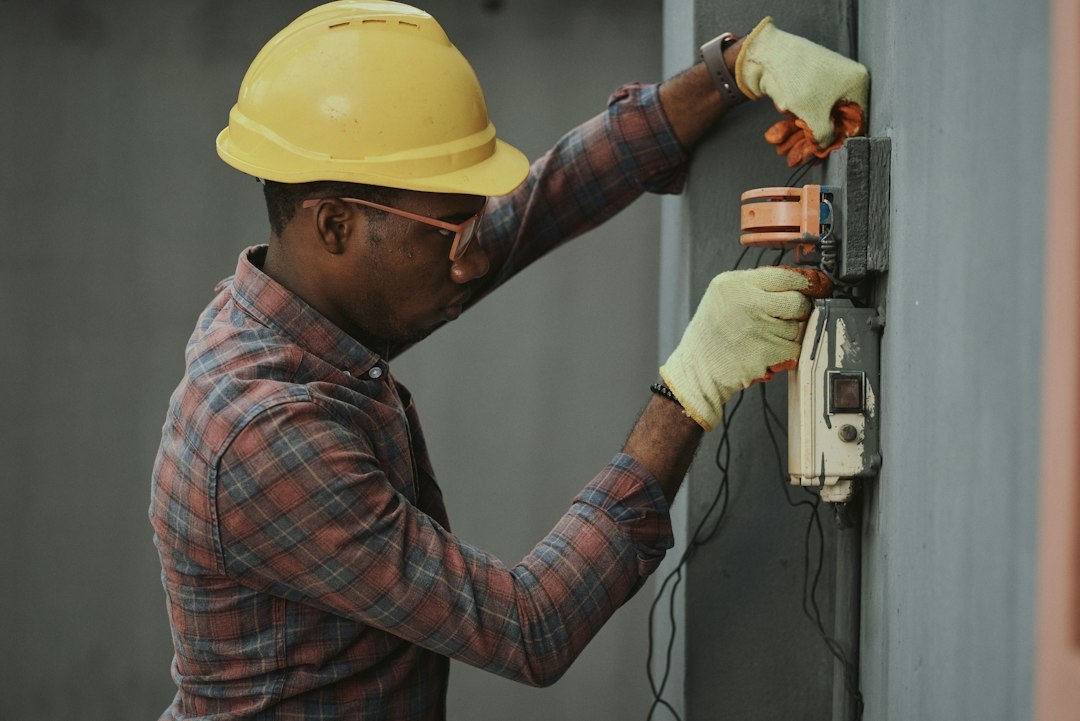
Residential work offers smaller, more frequent jobs with less bureaucracy, while commercial work involves larger contracts, more paperwork, and often better long-term margins once you’ve built the right relationships.
A Personal Example
A licensed electrician started with just a used van and basic tools, focusing exclusively on residential panel upgrades before expanding into new construction wiring once he’d built enough capital and a reliable crew.
Pro Tips
Specializing in a high-demand niche, like solar panel installation or EV charger wiring, can differentiate a new electrical business from established generalist competitors right from the start.
FAQ
How long does it take to become a licensed electrician?
Apprenticeship programs typically take four to five years, followed by a licensing exam, though requirements vary meaningfully by state.
How much does it cost to start an electrical contracting business?
Total startup costs typically range from $15,000 to $40,000, covering tools, a vehicle, insurance, bonding, and initial marketing expenses.
Do I need a business license in addition to an electrician’s license?
Yes, most states and municipalities require a separate general business license and registration alongside your trade-specific electrician license.
Is specializing in a niche like solar wiring worth it early on?
Often yes, since a clear specialty helps a new contractor stand out immediately, though building broad general skills first can also open more early job opportunities.